About Siju caves
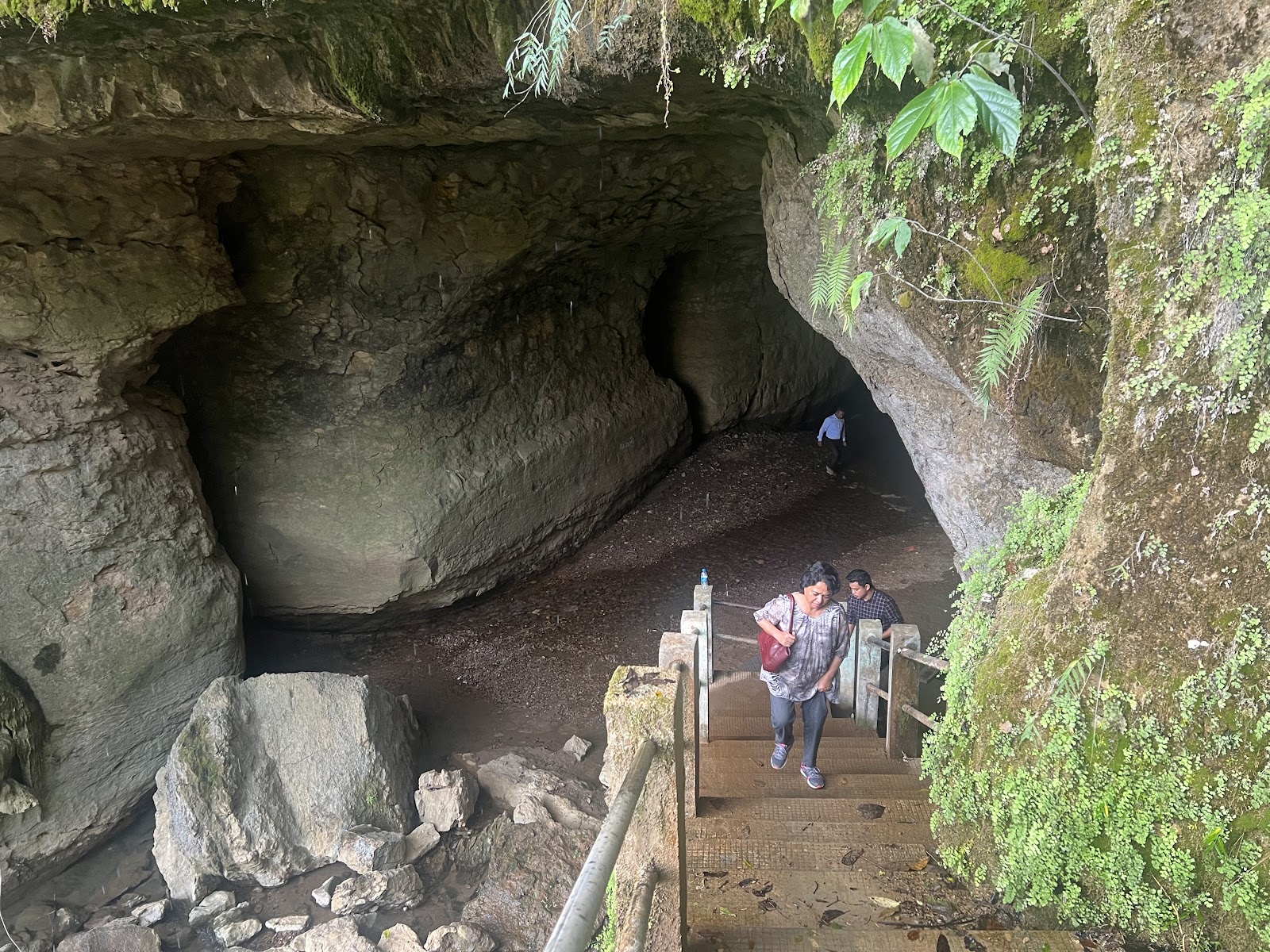
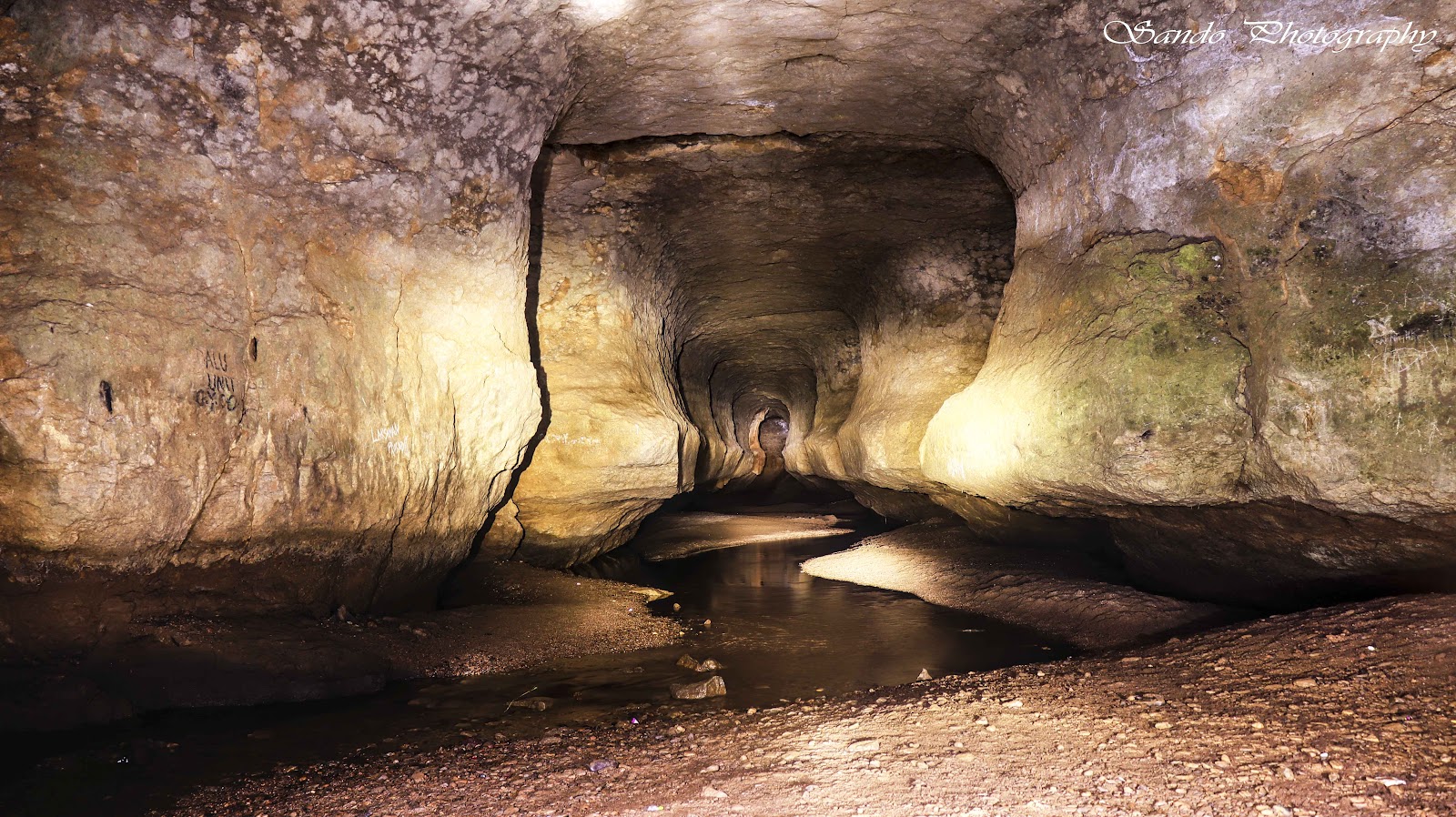
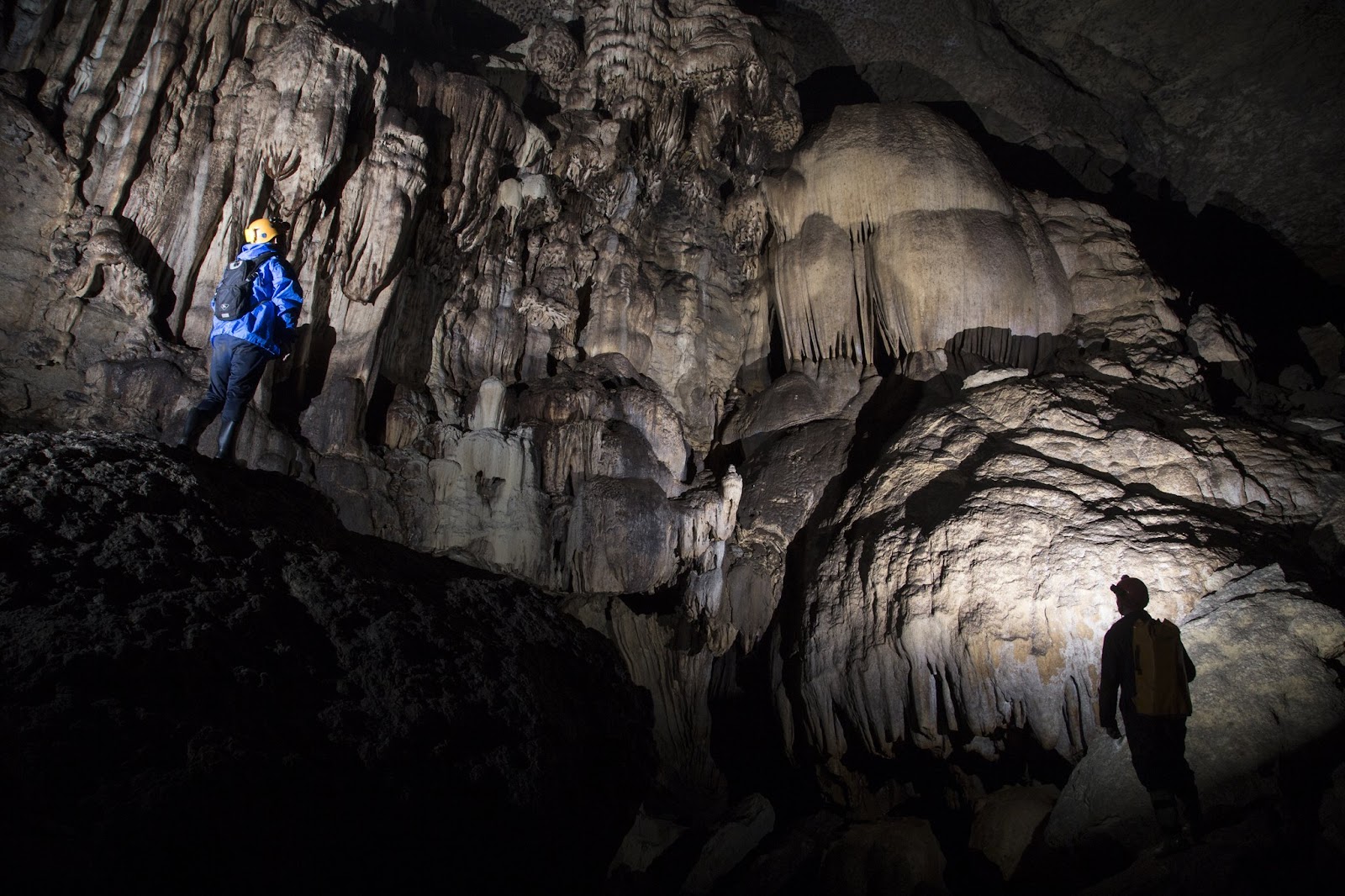
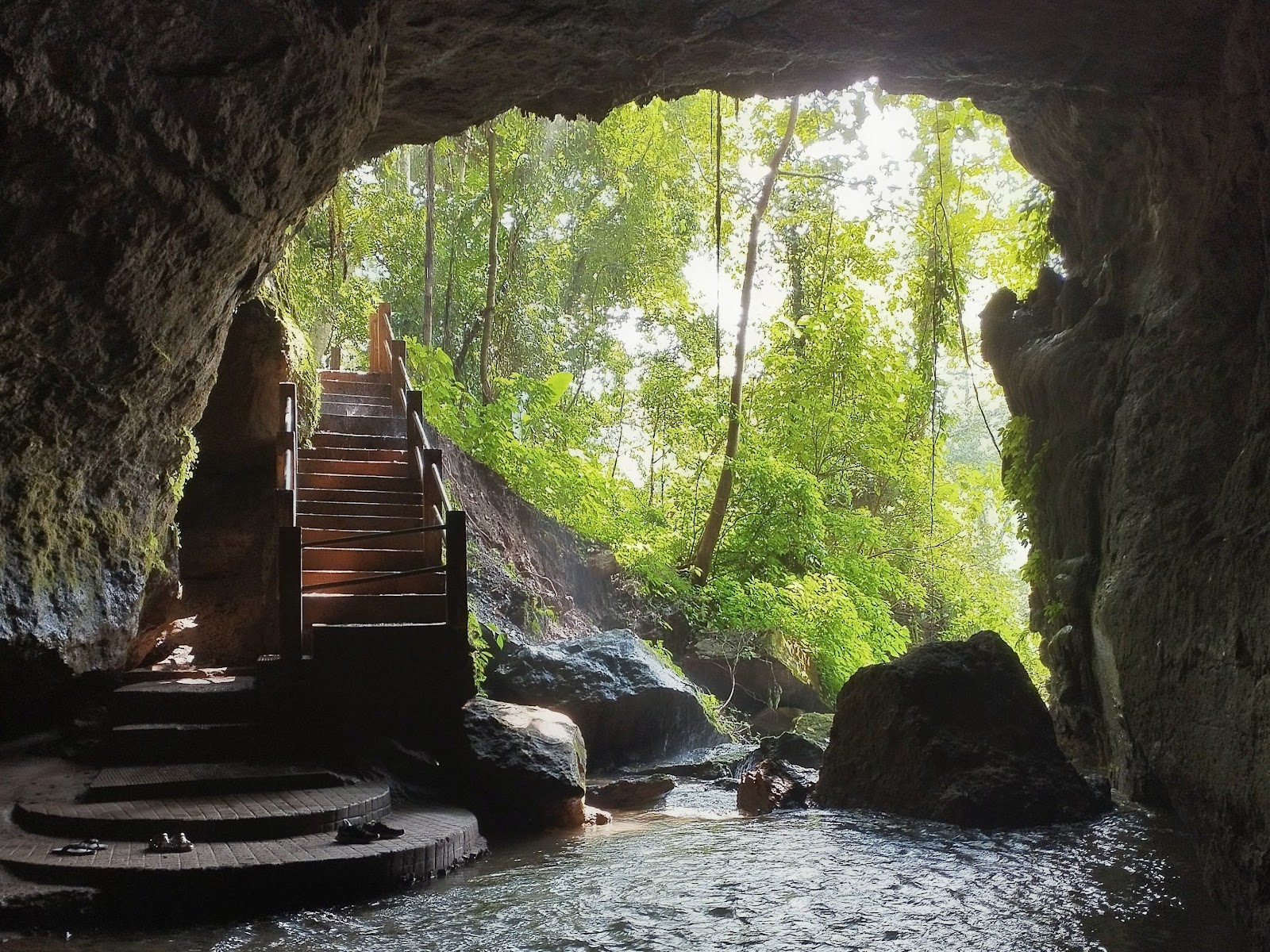
Siju Cave, also known as Bat Cave, is located near the Simsang River in South Garo Hills, Meghalaya. Stretching over 4 kilometers, it is among the longest caves in India and is renowned for its majestic limestone formations, deep tunnels, and natural rock chambers. The cave is partly water-filled and home to a large population of bats and other cave-dwelling species. Discovered by British explorers in the early 20th century, Siju Cave features remarkable formations such as the Princess Di's Chamber, known for its cathedral-like beauty. The cave’s untouched ecosystem, ancient geological structures, and adventurous pathways make it a must-visit for nature lovers, speleologists, and thrill-seekers. Its surroundings—lush forest and the Simsang River—add to the experience with rich biodiversity and scenic views. Due to its raw, uncommercialized nature, visitors are advised to explore with proper gear and guides.
Visitor Information
Best Time to Visit
October- March
The best time to visit Siju Cave is during the dry season (October to April) when the cave interiors are more accessible and safe for exploration. During the monsoon (June to September), entry may be restricted due to high water levels and slippery paths. Always check local conditions before planning your trip.
Photography Tips
Use wide-angle lenses or camera phones with night mode to capture the cave interiors. Bring a flashlight or headlamp to light up low-lit chambers.
Photography inside Siju Cave can be both challenging and rewarding due to its low-light conditions and narrow rock formations. Flashlights or portable lights are helpful for capturing detailed shots of stalactites and stalagmites, especially inside the Princess Di’s Chamber. Outside the cave, natural lighting along the Simsang River and surrounding jungle offers excellent landscape and nature photo opportunities. Use protective gear for your camera or phone, as parts of the cave may be humid or slippery.
Accessibility
Siju Cave has limited accessibility. It involves walking over uneven, rocky, and water-filled passages. It is not suitable for people with mobility issues, elderly visitors with difficulty walking, or wheelchairs.
Accessing Siju Cave requires a moderate level of physical fitness. The path to the cave includes forested and hilly terrain, and the cave itself features uneven floors, low ceilings, and partially submerged sections. There are no handrails, ramps, or artificial lighting inside. Due to water flow and slippery surfaces, it's not recommended for those with limited mobility, small children, or elderly travelers without assistance. Good trekking shoes, flashlights, and a local guide are strongly recommended for safety.
Getting There
Located in South Garo Hills, Siju Cave is accessible via road from major towns like Tura, Baghmara, and Guwahati. The nearest airport is in Guwahati and the closest railway station is Mendipathar.
From Shillong (300 km / 9–10 hours): Travel via NH106 through Nongstoin, Tura, and Baghmara. Though a long journey, the route is scenic. You can book a TourMeghalaya cab from Shillong for a full-day guided trip or multi-day tour covering Garo Hills. From Guwahati (250 km / 7–8 hours): Take NH17 to Tura or Baghmara, then onward to Siju. This is the most common route for tourists. TourMeghalaya provides direct cabs from Guwahati Airport or city center. From Tura (130 km / 4–5 hours): A scenic drive through forested hills and rivers. Shared sumos and private taxis are available, but TourMeghalaya cabs offer added comfort and reliability. From Baghmara (45 km / 1–1.5 hours): The nearest town to Siju Cave. Road conditions vary, so hiring a local cab via TourMeghalaya is the most reliable option. By Train: Nearest station is Mendipathar (130 km away). From there, you can hire a cab or connect with TourMeghalaya for pickup. By Air: Nearest airport is Guwahati (LGBI Airport). From there, travel by road via Shillong or Tura using TourMeghalaya’s cab services.
Entry & Duration
Entry Fee: ₹20/adult-₹10/children
Duration: 3 hours
Visitors typically spend 1 to 2 hours exploring Siju Cave. Due to its natural layout, parts of the cave can be dark and water-filled, so guided exploration is ideal. The time may vary depending on how deep you explore.
Opening Hours
Morning 09:00 AM – 04:00 PM Evening
Sunday Closed
Facilities Available
Frequently Asked Questions
Where is Siju Cave located?
Siju Cave is situated in the South Garo Hills district of Meghalaya, near the Simsang River, close to the village of Siju. It is approximately 132 km from Tura, the second largest town in Meghalaya.
What are the key attractions of Siju Cave?
Visitors to Siju Cave are primarily drawn to its stunning natural beauty, including the cavernous limestone formations, unique stalactites, and stalagmites. The cave is also known for its 'Princess Di's Chamber', a section with amazing speleothems, and the underground river passages. Birdwatchers are also attracted to the area due to the nearby Siju Bird Sanctuary.
Can tourists visit Siju Cave?
es, tourists are welcome to visit Siju Cave. However, the visit should ideally be guided by local experts and is more suitable for adventure enthusiasts due to the cave's terrain. It is essential to get permission from the local authorities before entering the cave.
What is the best time to visit Siju Cave?
The best time to visit Siju Cave is during the dry season, from November to March, when the water levels are lower, making it safer and more accessible for exploration.
What should tourists consider before exploring Siju Cave?
Tourists should be in good physical condition and prepared for a challenging environment if they plan to explore Siju Cave. It is recommended to bring appropriate footwear, warm clothing, and waterproof gear. Additionally, a local guide should accompany visitors to ensure safety and provide information about the cave's features.
Are there any facilities available for tourists at Siju Cave?
Facilities at Siju Cave are basic, so visitors should be prepared for minimal amenities. It is advisable to carry your own food, water, and other necessary supplies. Nearby towns or the village of Siju may have some accommodation options, but visitors should confirm and book in advance.
Is photography allowed inside Siju Cave?
Photography is generally allowed inside Siju Cave, but visitors should be respectful of the natural environment and follow any guidelines set by the local authorities or guides. Note that the lighting inside the cave is limited, so adequate preparation for cave photography is essential.
Does Siju Cave have any cultural or historical significance?
Siju Cave is not only a natural wonder but also holds cultural significance for the local Garo people. It is embedded in their folklore and traditional beliefs. Historically, it is one of the first caves in India to be explored and mapped by speleologists.
How can one reach Siju Cave?
The nearest major town to Siju Cave is Tura, which is well-connected by road to major cities in Meghalaya. From Tura, visitors can hire local taxis or take public transportation to reach Siju. The nearest airport is in Guwahati, Assam, from where one can take a bus or taxi to Tura and then proceed to Siju.